


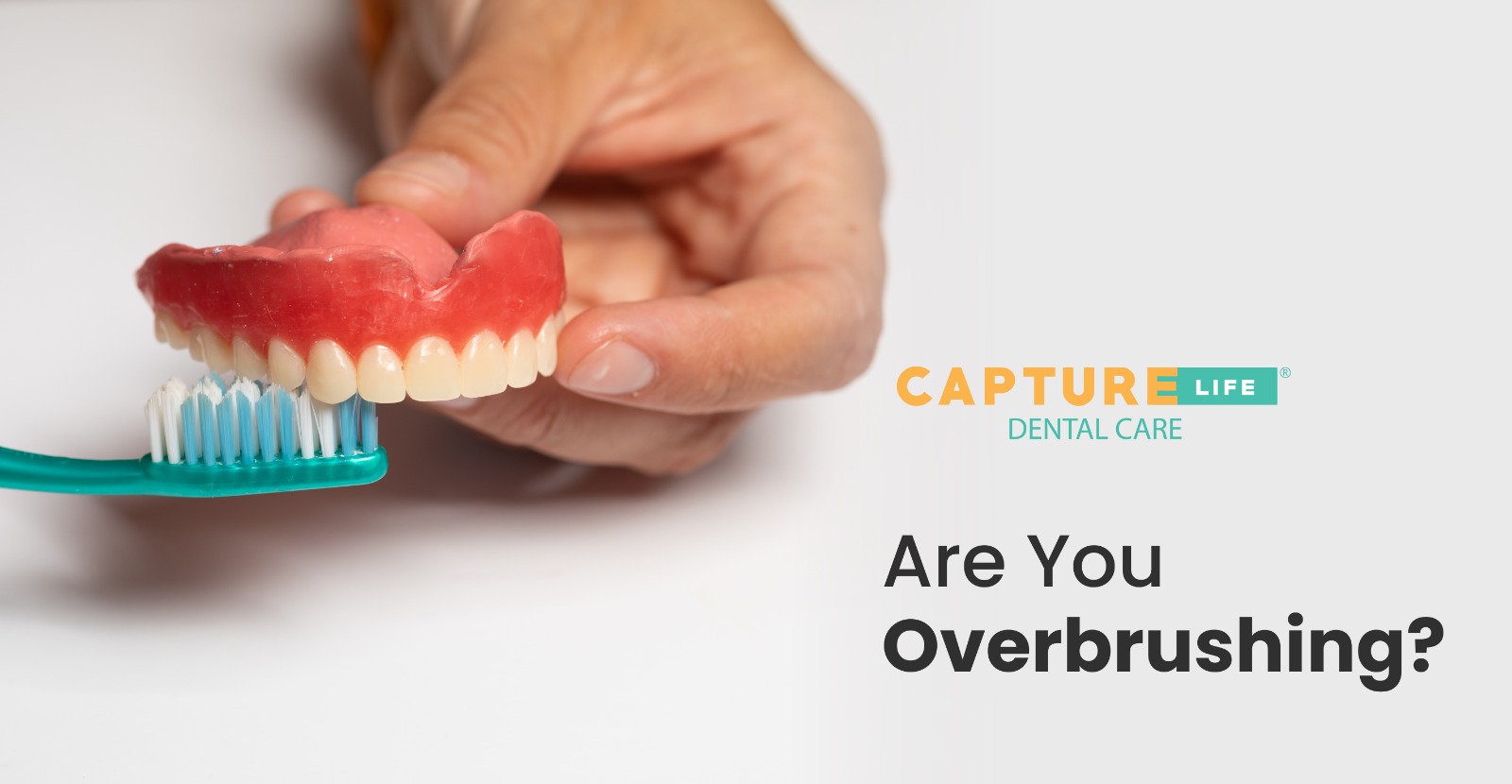
14 May Are You Overbrushing?
It sounds like a strange problem to have. Most of us grew up being told to brush properly, brush longer, maybe even brush more if needed. Clean teeth equals good habits. Simple. So the idea that brushing could actually damage your teeth feels a bit backwards.
But it does happen. More often than people expect. And the interesting part is – people who overbrush are usually trying to do everything right. There’s effort, consistency, discipline. Just slightly misdirected. If you’ve ever felt sensitivity, noticed your gums changing, or gone through toothbrushes too quickly, it might be worth looking at how you brush, not just how often.
Why Brushing Technique Matters
Brushing is meant to remove plaque. That soft, sticky layer that forms on your teeth through the day.
It doesn’t take much force to remove it. But many people brush like they’re trying to scrub off something stubborn. Hard strokes, full pressure, quick movements – almost like more effort means better cleaning. It doesn’t work that way.
Your teeth aren’t built for that kind of friction. And your gums definitely aren’t. Over time, that repeated pressure starts to wear things down.
When Cleaning Turns Into Damage
Brushing too hard or too aggressively creates mechanical wear. It’s not instant, but it’s consistent. Day after day, small amounts of tooth structure get worn away.
At first, nothing feels different. But gradually, changes begin to show.
The surface of your teeth may look less shiny. Slightly dull. The color may shift too – more yellow than before.
That’s not because your teeth are dirty. It’s because the inner layer of the tooth is becoming more visible as the outer layer thins.
And then comes sensitivity. Cold water might feel sharper. Hot drinks may sting a little. Even brushing certain areas can feel uncomfortable.
Enamel Doesn’t Grow Back
The outer layer of your teeth, called enamel, is strong. But it’s not indestructible. Once it wears away, it doesn’t regenerate.
That’s what makes overbrushing a problem. You don’t feel the damage happening in real time. But once it shows up, it’s not something you can reverse naturally.
That’s why prevention matters more here than correction.
Gums Don’t Handle Pressure Well
Teeth aren’t the only thing affected. Your gums are soft tissue. They form a protective seal around your teeth. But they’re not meant to handle repeated pressure from aggressive brushing.
At first, you might notice:
- Slight redness
- Occasional irritation
- A bit of bleeding
But over time, the gums begin to recede.This is called the gum recession.
You might notice your teeth looking longer than before. Or a slight color difference near the base of the tooth – that’s the root surface becoming exposed. And roots are more sensitive and more vulnerable. Unlike enamel, gums don’t grow back naturally once they recede.
The “Notch” That Gives It Away
Dentists often spot overbrushing through a very specific sign. A small, wedge-shaped notch near the gumline. Usually on the outer surface of the teeth.
It starts as a slight indentation but becomes more visible over time. This happens because many people brush side to side. The pressure focuses on one area repeatedly – where the tooth meets the gum. Over time, that motion creates a groove.
These areas can trap food and plaque more easily. And if the notch deepens, it can reach sensitive parts of the tooth.
At that point, it may need treatment.
It’s Not Just About How hard Your Brush
Overbrushing is a combination of factors, not just force alone.
- Toothbrush type: Hard or even medium bristles can be too abrasive for daily use, especially with pressure
- Toothpaste choice: Some whitening or charcoal toothpastes are more abrasive than standard ones; combined with heavy brushing, they can speed up wear
- Timing: Brushing immediately after acidic food or drinks is best avoided; acid temporarily softens enamel, making it more vulnerable to friction right afterwards
Signs You Might Be Overbrushing
Some signs are easy to miss, but a few patterns can point to it:
- Tooth sensitivity
- Gums pulling back
- Teeth looking longer
- Grooves near the gumline
- Toothbrush bristles wearing out quickly
Even bleeding gums can be confusing. It might mean you’re not brushing enough but it can also mean you’re brushing too aggressively.
What Brushing Should Feel Like
This is where most people need a small reset. Brushing shouldn’t feel like scrubbing. It should feel controlled and gentle.
A few simple adjustments help:
- Use a soft-bristled toothbrush
- Hold the brush lightly, not tightly
- Use small, circular motions instead of back-and-forth strokes
- Angle the brush slightly toward the gumline
A simple trick – hold your toothbrush with your fingers instead of gripping it tightly. It naturally reduces pressure. Electric toothbrushes can also help, especially ones with pressure sensors. But even manual brushing works well with the right technique.
How Often Should You Brush?
More isn’t always better. Brushing more than twice a day, especially with pressure can increase wear.
Twice a day is enough:
- Once in the morning
- Once before bed
About two minutes each time. It’s less about frequency and more about how you do it.
Does Brushing Harder Clean Better?
Not really. The plaque isn’t strongly attached. It doesn’t need force to be removed.
What matters more is consistency and technique. Gentle, regular brushing removes plaque effectively without damaging your teeth or gums.
The Bottom Line
Overbrushing doesn’t feel like a mistake when you’re doing it. It feels like effort. Like you’re taking good care of yourself. Which is exactly why it often goes unnoticed for so long.
The damage builds quietly- enamel wears, gums recede, sensitivity creeps in. And by the time it’s obvious, it’s harder to address.
The good news is that small changes can stop it from progressing — softer bristles, lighter pressure, and a little more patience with your technique. Sometimes, taking better care of your teeth means doing a little less, but doing it right.
At Capture Life Dental Care, we’re always happy to show you what good brushing technique looks like, and check that your teeth and gums are in great shape. Book a visit with us, and let’s take a look together.
FAQs
1. Can brushing too hard damage teeth?
Yes, it can wear down enamel and lead to sensitivity over time.
2. What type of toothbrush is best?
A soft-bristled toothbrush is usually the safest and most effective.
3. How do I know if I’m brushing too hard?
If your bristles wear out quickly or you have sensitivity or gum recession, you might be brushing too hard.
4. Is brushing three times a day harmful?
Not always, but if done with pressure, it can increase the risk of damage.
5. Can gum recession be reversed?
It doesn’t reverse naturally, but treatment options are available depending on the severity.