


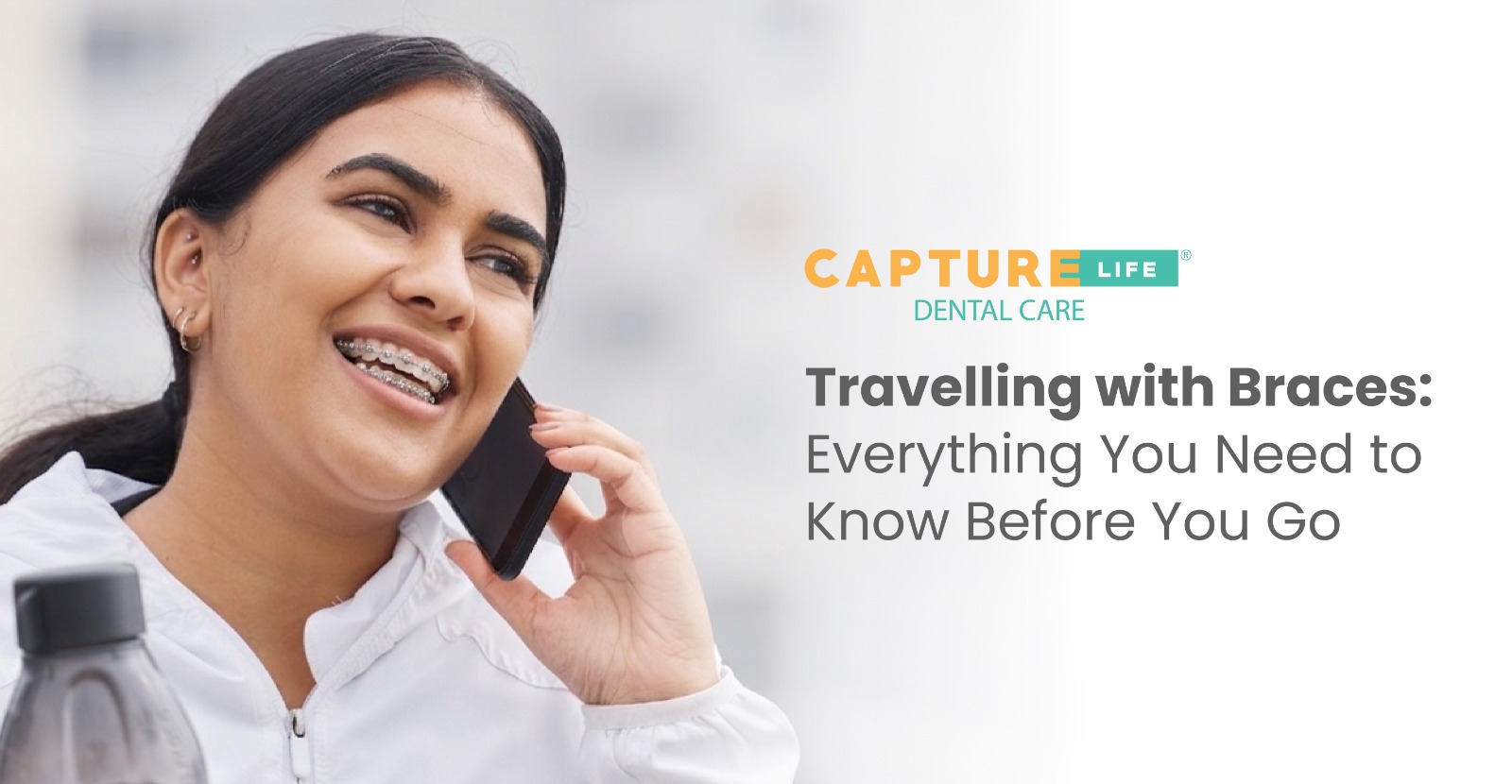
16 Apr Travelling with Braces? Here’s How to Keep Your Smile Safe On-the-Go
Travelling with braces isn’t difficult, but it does require some preparation. The last thing you want is a poking wire, a broken bracket, or forgotten rubber bands putting a damper on your trip. Whether you’re heading out for a weekend getaway or an international adventure, a little planning goes a long way in keeping your orthodontic treatment on track while you’re away from home.
The good news is that most braces-related travel hiccups are entirely preventable. With the right kit, some smart food choices, and a basic understanding of how to handle minor emergencies, you can travel confidently, and come back with both great memories and your smile progress intact. Here’s everything you need to know.
Pack Your Orthodontic Travel Kit
The single most important thing you can do before any trip is assemble a dedicated braces kit. Think of it as your orthodontic first-aid bag. Keep it in your carry-on or day bag so it’s always within reach.
Here’s what your kit should include:
- Travel toothbrush and fluoride toothpaste – ideally a soft-bristled brush
- Interdental brushes or floss threaders – cleaning around brackets is non-negotiable
- Orthodontic wax – your best friend if a wire or bracket starts irritating your cheek
- Pain relief tablets – in case of soreness or minor discomfort
- Dental picks or a water flosser (travel size) – for thorough cleaning on longer trips
Stick to Your Oral Hygiene Routine
Travelling tends to throw routines out the window, but your dental hygiene isn’t one to skip. Food particles and plaque build up faster around brackets and wires, and skipping even one cleaning session can lead to staining, decay, or gum irritation.
Brush after every meal — yes, even when you’re at a restaurant or out sightseeing. Rinse with water immediately if brushing isn’t possible right away. Carry a small bottle of mouthwash for an added layer of protection. It takes just two minutes and keeps your orthodontic progress intact.
Be Mindful of What You Eat
Trying local cuisine is half the fun of travelling, and you don’t have to miss out entirely. But with braces, certain foods can cause real damage – snapping wires, dislodging brackets, or getting stubbornly stuck.
Foods to avoid while travelling with braces:
- Hard, crunchy snacks like nuts, hard candies, and raw carrots
- Sticky foods like toffee, chewing gum, and certain traditional sweets
- Tough breads, bagels, or crusty baguettes
- Sugarcane or foods you need to bite into with force
Safer alternatives include soft fruits, yoghurt, rice-based dishes, cooked vegetables, eggs, and smoothies. When in doubt, cut food into smaller pieces rather than biting directly.
Know How to Handle Common Braces Emergencies
Even with the best preparation, minor issues can happen. Knowing how to deal with them calmly can save your trip from unnecessary stress.
- Poking wire: Use a clean cotton swab to gently push the wire flat against your tooth. Apply orthodontic wax over the area to prevent further irritation. Don’t try to cut the wire yourself unless it’s causing serious discomfort, in that case, use clean nail scissors very carefully.
- Loose bracket: If a bracket has come off but is still attached to the wire, leave it in place and cover with wax. Avoid eating hard foods until you can see a dentist. Contact your orthodontist at home to advise them and, if the trip is long, find a local dental clinic.
- General soreness: This is common, especially after a recent adjustment. Stick to soft foods and take over-the-counter pain relief if needed. Saltwater rinses can also help soothe inflamed gums.
Plan Around Your Orthodontic Schedule
If you have an appointment coming up, try not to travel in the few days immediately after a tightening, that’s when soreness tends to peak. Travelling right after an adjustment means dealing with discomfort in transit, with limited access to your usual comforts.
If your trip overlaps with a scheduled appointment, inform your orthodontist in advance. They may adjust the timing of your visit or give you additional guidance for the period you’ll be away. Never skip or postpone an appointment without letting your dentist know.
Stay Hydrated and Avoid Staining Drinks
Hydration is important for overall oral health, and water is the best drink for your braces. It washes away food particles and keeps your mouth clean between brushings.
If you’re wearing ceramic or clear braces, be extra cautious with drinks like black coffee, tea, red wine, or bright fruit juices, these can stain your brackets. Use a straw when possible and rinse with water immediately after.
When to See a Dentist While Travelling
Most braces issues while travelling are minor and manageable with your kit. However, seek a dental clinic if:
- A wire is deeply embedded in your cheek or gum
- A bracket has fully detached and you’ve swallowed it or lost it
- You’re experiencing significant swelling or pain that doesn’t subside
- Multiple brackets have come loose
Final Thoughts
Travelling with braces is entirely possible and with the right preparation, it doesn’t have to be stressful at all. Pack smart, eat mindfully, and keep up your hygiene routine. Your smile will thank you when you’re back home.
Frequently Asked Questions
1. What should I do if a wire breaks while I’m travelling?
Apply orthodontic wax to the broken end to prevent it from poking your cheek. Avoid hard foods, and contact your orthodontist as soon as possible. If you’re on a long trip, visit a local dental clinic for a temporary fix.
2. How do I clean my braces properly when I don’t have access to a bathroom?
Rinse your mouth thoroughly with water after eating to dislodge food particles. Use an interdental brush or dental pick if available. Carry a travel-sized mouthwash for situations where brushing isn’t immediately possible.
3. A wire is poking into my cheek and I don’t have orthodontic wax, what can I use?
In a pinch, you can use a small piece of sugar-free chewing gum as a temporary cover over the sharp end. Cotton from a cotton ball also works as a short-term buffer.